.2511170040554.jpg)
Air conditioning is essential for comfort in Northern California, but the relentless pressure we put on our systems—especially during hot afternoons—takes a serious toll. While your AC unit is built to be resilient, running it continuously at full capacity during the hottest and most expensive times of the day leads to accelerated wear and tear.
This stress shortens the life of your equipment, causes unnecessary breakdowns, and ultimately costs you more money in the long run. Understanding the root cause of this strain is the first step toward a healthier, more efficient, and longer-lasting cooling system.
Is your AC struggling under peak hours? Get a free savings estimate now and learn how to optimize your system. Contact us through our online contact form or call us at (949) 334-2243.
The Hidden Problem Why Your Air Conditioner Struggles
To grasp why your air conditioner is working too hard, you must understand the concept of "peak demand." This refers to the specific hours of the day when the electrical grid experiences its highest demand, typically late afternoon and early evening. When everyone runs their AC at the same time, it’s a massive drain on resources.
The Peak Demand Power Surge
During peak hours, your air conditioner’s compressor must work hardest to fight the high outdoor temperatures and meet the high electricity demand. The continuous start-and-stop cycling and the constant strain of running at maximum capacity generate excessive heat and mechanical stress within the unit. This is similar to driving your car at high RPMs for long periods; it’s simply not built for that constant level of intensity. The power surge during these times not only pushes your system to its limit but also results in the highest electricity rates for you.
The Wear and Tear of Constant Work
Traditional air conditioning relies on the compressor to run whenever cooling is needed, regardless of the time of day or the cost of electricity. This method is highly inefficient when temperatures soar and demand is high. Over time, the repeated intense use leads to premature failure of critical components. You start seeing costly repairs much sooner than expected, which undermines your investment in the equipment.
Recognizing the signs of an overworked AC unit can help you catch problems early. These indicators suggest your system is under severe strain and needs a smarter solution.
Here are a few common signs that your AC unit is stressed:
- High Cycling Frequency: The unit repeatedly turns on and off in short bursts, struggling to maintain the set temperature.
- Increased Noise: Strange grinding, buzzing, or rattling sounds coming from the outdoor compressor unit.
- Rising Energy Bills: Significant, unexplained spikes in your monthly utility statement, especially during cooling months.
- Inconsistent Cooling: Hot and cold spots throughout your home or property, indicating the system cannot evenly distribute cooling.
If you recognize any of these issues, it’s a clear signal that your equipment is being pushed past its optimal operating limit. Ignoring these signs means accepting a shorter lifespan for your AC system and greater risks of unexpected failure.
The Old Way: How Traditional AC Works Against You
For decades, the standard approach to cooling has remained largely unchanged: turn on the compressor when it's hot. This simple approach, however, is directly at odds with modern energy infrastructure and pricing models. Utilities must use the most expensive and sometimes least efficient power sources to meet that demand, and those costs are then passed on to you through time-of-use (TOU) rates.
During those expensive, peak times, a traditional AC unit is forced to operate when conditions are worst for efficiency and component longevity. The system has to use high levels of electricity precisely when that electricity is most scarce and expensive. This isn't just about saving money; it’s about operating heavy machinery in a way that creates maximum strain. By tying your cooling to the volatile peak hours of the day, you guarantee that your compressor sustains the most wear when it can least afford it.
A Smarter Solution for AC Health: The Power of Ice Storage
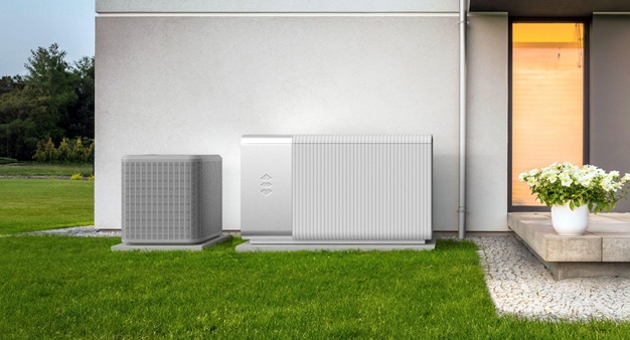
Thermal Energy Storage, like the Ice Cub for homes or the Ice Bear for commercial properties, completely changes this dynamic. Instead of running your compressor during peak hours, it shifts the majority of the cooling workload to the off-peak hours. This process creates and stores cooling energy when the grid is relaxed and electricity is cheapest—often overnight.
Shifting the Load to Save Your Compressor
The Ice Cub and Ice Bear units act as a thermal battery, freezing a reservoir of water when electricity demand is lowest. When peak hours arrive, the system temporarily bypasses the compressor and uses the stored ice to cool your space. This means the most wear-intensive component of your AC system—the compressor—can be turned off or dramatically reduced during the hours it typically struggles most. By shifting up to 95% of your peak cooling load, you are giving your air conditioner a much-needed rest during its most critical time.
Consistent Cooling Without the Peak Hour Fight
This load-shifting process is entirely seamless and passive for you. You will still experience the consistent, reliable cooling you expect, but the energy source behind that cooling has changed. The process is intelligently managed by the unit itself, ensuring your comfort is never compromised. The result is a system that runs less, more efficiently, and under far less strain than a traditional unit. This thoughtful approach significantly contributes to the overall health and lifespan of your entire HVAC system.
Implementing thermal energy storage brings a host of benefits directly related to the longevity of your AC equipment. This is a fundamental change in how your system uses power, prioritizing equipment preservation.
Key ways the Ice Energy system reduces AC wear:
- Minimizes Peak Hour Operation: The system takes over during the most strenuous cooling hours, reducing the runtime of the energy-intensive compressor.
- Reduces Compressor Cycling: By shifting the load, the system operates in a more consistent and controlled manner, lessening the strain from repeated start-ups.
- Optimizes Electricity Use: It allows the AC to run during cooler overnight periods when the ambient temperature makes the process easier on the equipment.
- Acts as a Buffer: The thermal battery provides a consistent, reliable cooling source, protecting the compressor from the unstable electricity demands of the peak grid.
These technical advantages translate into real-world benefits, including greater energy efficiency and a prolonged life for the expensive compressor, coil, and fan components. This is smart energy management that protects your investment in comfort.
Simple Steps to Keep Your Entire HVAC System Healthy
Even with the incredible load-shifting benefits of an Ice Energy system, basic maintenance is still crucial for long-term health. These simple actions work alongside your new thermal storage unit to ensure peak performance for many years. Regular upkeep ensures that the air quality and airflow within your property remain high.
Here are a few quick tips to optimize your entire system:
- Change or Clean Your Filters Regularly: A dirty filter restricts airflow, forcing the AC fan and motor to work harder. Check disposable filters monthly and replace them every 1-3 months.
- Keep the Outdoor Unit Clear: Ensure the outdoor condenser (where the Ice Cub unit sits alongside it) is free of debris, leaves, and overgrown shrubbery. Airflow around the unit is critical for heat transfer.
- Schedule Annual Professional Check-ups: Have a certified HVAC technician perform a full inspection each year. They can check refrigerant levels, electrical connections, and moving parts that require specialized care.
These maintenance practices, combined with the load-shifting technology of the Ice Cub, create a reliable defense against premature equipment failure. You gain control over your energy costs and confidence in your equipment’s lifespan.
Ready to Reduce Your AC Stress and Energy Bills
Choosing thermal energy storage is not just an energy-saving measure; it is an intelligent decision to protect the lifespan of your existing HVAC equipment. Ice Energy specializes in providing Northern California homes and businesses with a reliable, trustworthy way to shift peak cooling demand.
By resting your compressor during the hottest, most expensive, and most strenuous hours, you are investing in two decades of consistent comfort and reduced repair costs. Take the action now that will ensure your cooling system is ready for the seasons ahead.
Reach out to Ice Energy today to explore how the Ice Cub or Ice Bear can be seamlessly integrated into your property. Get started with your online contact form or call us at (949) 334-2243.